

Leucadendron galpinii 'Silver Cone': Shimmering Silvery Foliage and Decorative Cones
1-gallon (6x6x12” - 18”)
$45.00
Skip to product information
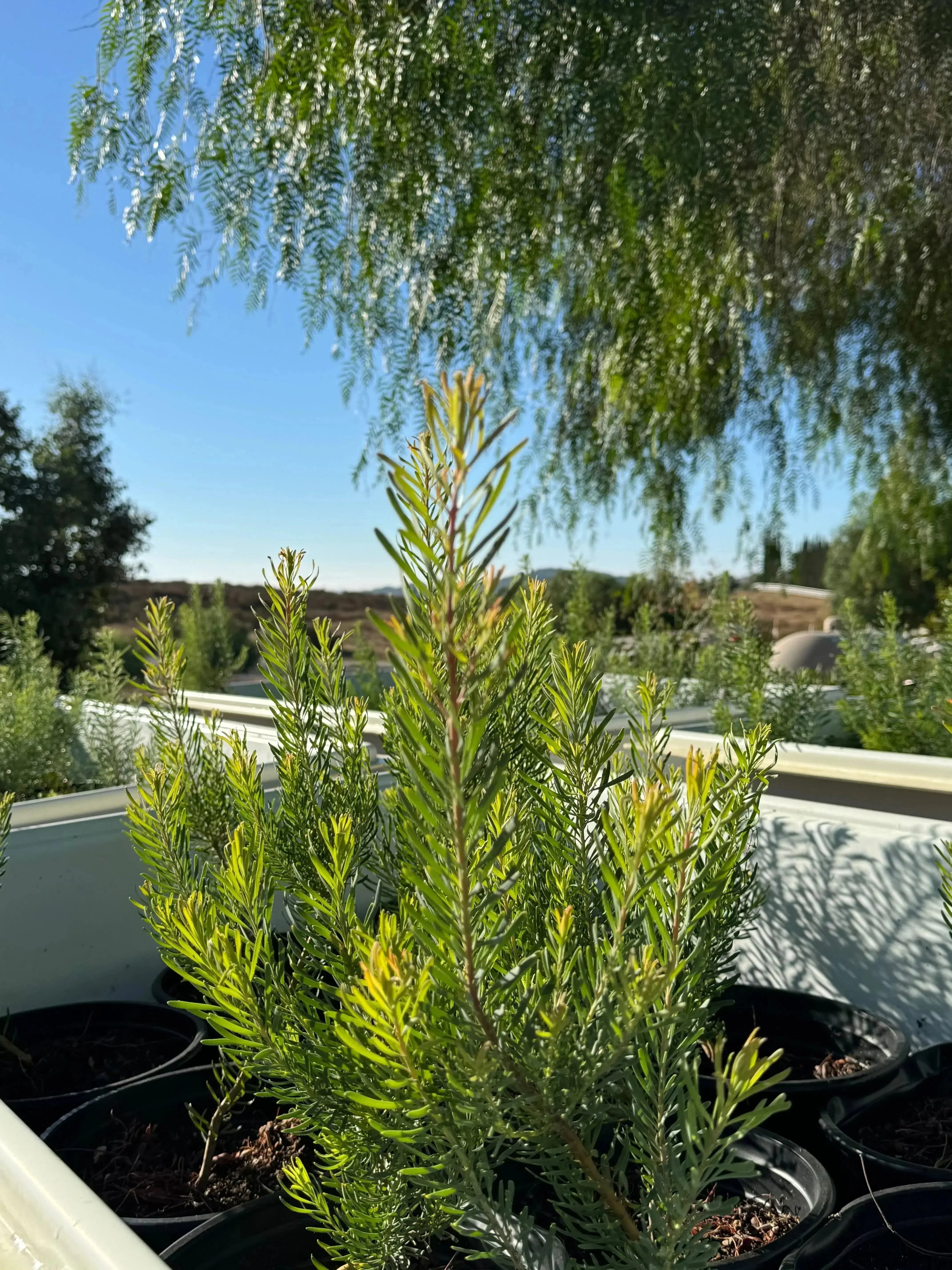
Leucadendron galpinii ‘Silver Cone’


Leucadendron galpinii 'Silver Cone': Shimmering Silvery Foliage and Decorative Cones
$45.00
⚠️ Notice: Due to state agricultural regulations, this item cannot ship to Texas.
Leucadendron galpinii ‘Silver Cone’
Silvery‑White Conebush with Sculptural Form
Leucadendron galpinii ‘Silver Cone’ is a refined evergreen shrub valued for its striking silvery foliage, architectural branching, and distinctive cone display. Unlike brightly colored Leucadendron cultivars, ‘Silver Cone’ offers a cool, elegant palette of pale grey‑green leaves that catch and reflect light beautifully throughout the year. Its prominent silvery cones add subtle texture and seasonal interest, creating a calm yet sculptural presence in the landscape.
Well suited to Leucadendron collections and contemporary garden designs, ‘Silver Cone’ thrives in full sun with excellent drainage and low water once established. Its clean form and neutral tones make it an ideal companion to bold foliage plants and flowering proteas, while its durability suits coastal, Mediterranean, and water‑wise landscapes.
Botanical Characteristics of Leucadendron galpinii ‘Silver Cone’
| Characteristic | Detail |
|---|---|
| Scientific Name | Leucadendron galpinii ‘Silver Cone’ |
| Common Name | Silver Cone Conebush |
| Growth Habit | Upright, multi‑stemmed evergreen shrub |
| Foliage | Narrow, silvery grey‑green leaves with a matte finish |
| Cones | Decorative pale cones with subtle silver tones |
| Color Season | Year‑round foliage interest; cones most visible winter to spring |
| Special Features | Elegant neutral coloration, architectural form, excellent cut foliage |
Mature Size and Form
• Height: 6–10 ft
• Spread: 4–6 ft
Leucadendron galpinii ‘Silver Cone’ develops a tidy, upright structure with naturally spaced branching. Light pruning after cone display helps maintain form and encourages denser growth; avoid cutting into older woody stems. For pruning and long‑term care guidance, visit our Protea & Leucadendron Care Guide.
USDA Hardiness Zones
Zones 9–11
Performs best in regions with mild winters, abundant sun, and fast‑draining soils. Avoid waterlogged or heavy clay conditions.
Cultivation and Care for Leucadendron galpinii ‘Silver Cone’
| Aspect | Care Instructions |
|---|---|
| Sunlight | Full sun for best form and foliage color |
| Soil | Well‑drained, sandy or rocky soil; slightly acidic preferred |
| Water | Low once established; water deeply but infrequently |
| Fertilizer | Low‑phosphorus or native‑plant fertilizer only |
| Pruning | Light pruning after cone display; avoid old woody growth |
Helpful resources for successful establishment:
Quick Tip: Caring for a Newly Unboxed Protea in Humid Conditions
Complete Protea & Leucadendron Care Guide
Landscape Use and Benefits of Leucadendron galpinii ‘Silver Cone’
• Elegant specimen shrub with refined silver foliage
• Ideal for Mediterranean, coastal, and water‑wise landscapes
• Excellent for modern gardens, contrast planting, and architectural accents
• Highly valued for cut foliage and minimalist floral design
• A distinctive selection within curated Leucadendron collections
Wildlife Attraction
While primarily grown for foliage and cones, ‘Silver Cone’ contributes structure and habitat complexity that enhances overall garden biodiversity.
Pest and Disease Considerations
Leucadendron galpinii ‘Silver Cone’ is generally resilient when planted in appropriate conditions. Potential issues include:
• Root rot in poorly drained or overwatered soils
• Nutrient stress from phosphorus‑heavy fertilizers
• Reduced vigor or color when grown in shade
Full sun, excellent drainage, and low‑phosphorus nutrition are essential for long‑term health and form.