

Agave 'Blue Flame': Spineless Blue-Green Aloe Hybrid for Modern Design
3-gallon (9x9x18" - 24")
$69.99
Skip to product information
🌵 Agave ‘Blue Flame’


Agave 'Blue Flame': Spineless Blue-Green Aloe Hybrid for Modern Design
$69.99
🌵 Agave ‘Blue Flame’
Dramatic Upright Agave with Fire‑Edged Blue Leaves
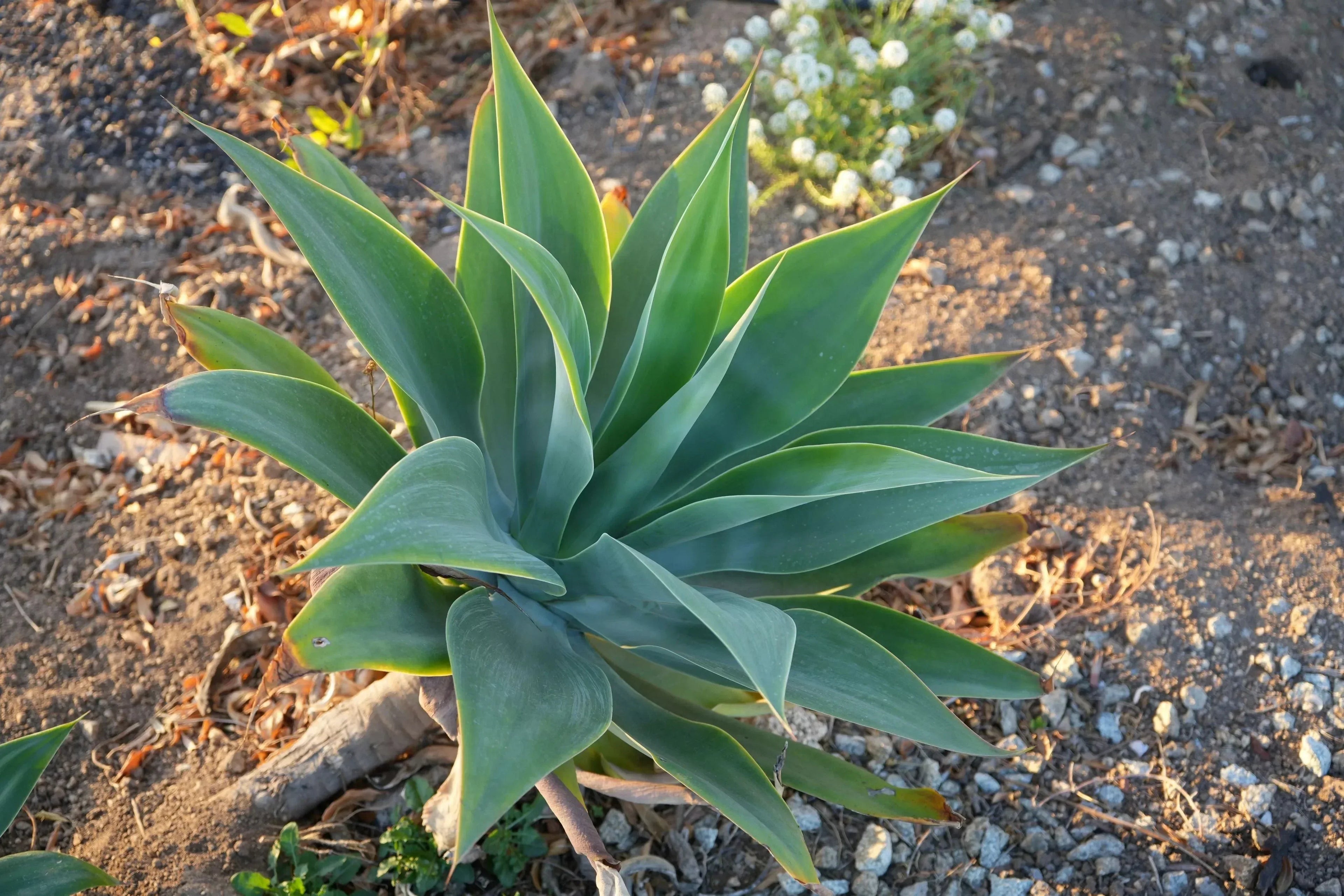
Agave ‘Blue Flame’ is a bold, architectural agave prized for its tall, vase‑shaped form and striking blue‑gray foliage edged with rich red margins. The elongated leaves rise upward in a graceful flare, creating a living sculpture that delivers height, movement, and strong visual presence in the landscape. Its dramatic silhouette makes it an instant focal point in modern and desert‑inspired gardens.
Ideal for water‑wise landscapes, Agave ‘Blue Flame’ offers high‑impact design with minimal maintenance. Its upright habit makes it especially useful where vertical emphasis is needed, such as entryways, courtyards, feature beds, and large containers.
Plant Characteristics of Agave ‘Blue Flame’
| Characteristic | Detail |
|---|---|
| Common Name | Blue Flame Agave |
| Plant Type | Evergreen succulent |
| Foliage | Blue‑gray leaves with red to orange margins |
| Form | Upright, vase‑shaped rosette |
| Growth Rate | Slow to moderate |
| Special Features | Strong vertical form, vivid edge color, drought tolerant |
Mature Size and Form
• Height: 4–6 ft
• Spread: 4–6 ft
Agave ‘Blue Flame’ grows into a tall, elegant rosette with leaves held upright and slightly flared outward. Its height and symmetry make it an excellent choice for anchoring large planting areas or pairing with boulders, gravel, and low plantings for contrast.
USDA Hardiness Zones
Zones 8–11
Thrives in warm, dry climates and tolerates light frost once established. Performs best in full sun with excellent drainage.
Cultivation and Care for Agave ‘Blue Flame’
| Aspect | Care Instructions |
|---|---|
| Sunlight | Full sun to light shade (best color in full sun) |
| Soil | Well‑drained soil; sandy or rocky soil preferred |
| Water | Very low; allow soil to dry completely between watering |
| Fertilizer | Not required |
| Maintenance | Minimal; remove spent leaves if desired |
Landscape Use and Benefits of Agave ‘Blue Flame’
• Striking vertical focal plant with sculptural impact
• Ideal for desert, modern, and
water‑wise gardens
• Excellent for entryways, feature beds, and large containers
• Pairs beautifully with gravel, stone, and low succulents
• A bold highlight within curated
succulent collections
Wildlife Attraction
Primarily grown for foliage and form; mature plants may eventually produce a tall flowering spike that attracts pollinators.
Pest and Disease Considerations
Agave ‘Blue Flame’ is highly resilient when planted in appropriate conditions. Potential considerations include:
• Root rot in poorly drained soil
• Cosmetic leaf damage from prolonged frost
• Sensitivity to overwatering
Excellent drainage and conservative watering ensure long‑term performance and vivid coloration.