

Protea 'Pink King': The Majestic Giant of the Protea World
1-gallon (6x6x12" - 18")
$65.00
Skip to product information
👑 Protea ‘Pink King’


Protea 'Pink King': The Majestic Giant of the Protea World
$65.00
👑 Protea ‘Pink King’
Large‑Flowered Pink Protea Hybrid
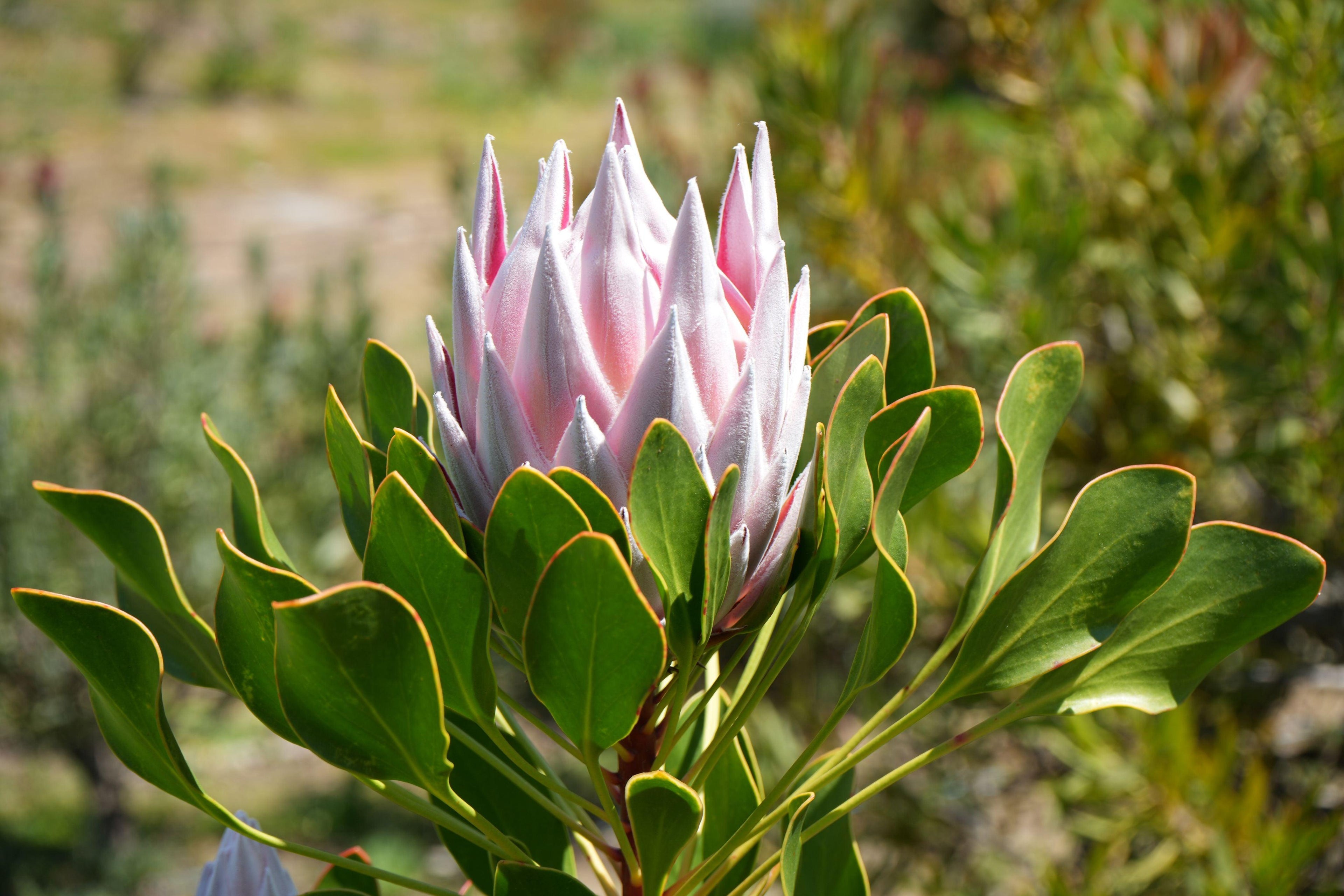
Protea ‘Pink King’ is a spectacular, large‑flowered Protea hybrid celebrated for its commanding presence and richly colored pink blooms. This cultivar produces oversized, crown‑shaped flower heads with bold pink outer bracts surrounding a dramatic central dome, creating a true focal point in the garden. Flowering mainly from winter through spring in mild climates, ‘Pink King’ delivers both scale and architectural drama that epitomize the regal nature of Proteas.
Highly valued for both ornamental planting and premium cut‑flower use, Protea ‘Pink King’ thrives in full sun with excellent drainage and open airflow. Its sturdy, upright stems and leathery evergreen foliage provide year‑round structure, while its drought‑tolerant nature makes it well suited to Mediterranean, coastal, and water‑wise landscapes. Few cultivars rival its impact as a statement shrub or floral centerpiece./bontefarm.com/products/protea-pink-king)
Botanical Characteristics of Protea ‘Pink King’
| Characteristic | Detail |
|---|---|
| Scientific Name | Protea hybrid ‘Pink King’ |
| Common Name | Pink King Protea |
| Growth Habit | Upright, spreading evergreen shrub |
| Foliage | Large, thick, leathery green leaves |
| Flowers / Bracts | Very large pink flower heads with a bold central dome |
| Flower Size | Typically up to 12 inches across |
| Flowering Season | Mainly winter through spring |
| Special Features | Oversized blooms, long stems, dramatic architectural form |
Mature Size and Form
• Height: 6–10 ft
• Spread: 6–10 ft
Protea ‘Pink King’ forms a robust, upright shrub with a broad canopy and strong branching. Selective pruning after flowering helps manage size and encourages healthy new growth while preserving future bloom potential. Detailed pruning recommendations are available in our Protea Care Guide.
USDA Hardiness Zones
Zones 9–11
Best suited to regions with mild winters and dry summers. Excellent drainage is essential for long‑term success.
Cultivation and Care for Protea ‘Pink King’
| Aspect | Care Instructions |
|---|---|
| Sunlight | Full sun for best flowering and sturdy growth |
| Soil | Acidic, sandy, or rocky soil with excellent drainage; avoid heavy clay |
| Water | Low once established; deep, infrequent watering |
| Fertilizer | Avoid phosphorus; use low‑P or native‑plant fertilizers only |
| Pruning | Remove spent blooms; avoid cutting into old woody stems |
Helpful resources for successful establishment:
Quick Tip: Caring for a Newly Unboxed Protea in Humid Conditions
Complete Protea Care Guide
Landscape Use and Benefits of Protea ‘Pink King’
• Commanding specimen shrub with unparalleled floral impact
• Ideal for Mediterranean, coastal, and water‑wise landscapes
• One of the most prized Proteas for premium fresh and dried cut flowers
• Evergreen foliage provides strong year‑round structure
• A dramatic feature plant within curated Protea collections
Wildlife Attraction
The large, nectar‑rich blooms attract birds and pollinating insects, contributing ecological value to suitable garden settings.
Pest and Disease Considerations
Protea ‘Pink King’ is generally resilient when grown in correct conditions. Potential issues include:
• Root rot caused by poor drainage or overwatering
• Nutrient stress from phosphorus‑heavy fertilizers
• Leaf browning or spotting in humid, stagnant conditions
Excellent drainage, airflow, and restrained irrigation are essential to long‑term plant health.