

Agave lophantha 'Quadricolor': Marvelous Multicolor Succulent
1-gallon (6x6x12" - 14")
$29.99
Skip to product information
🌵 Agave ‘Quadricolor’


Agave lophantha 'Quadricolor': Marvelous Multicolor Succulent
$29.99
🌵 Agave ‘Quadricolor’
Colorful Variegated Agave with Compact Rosette
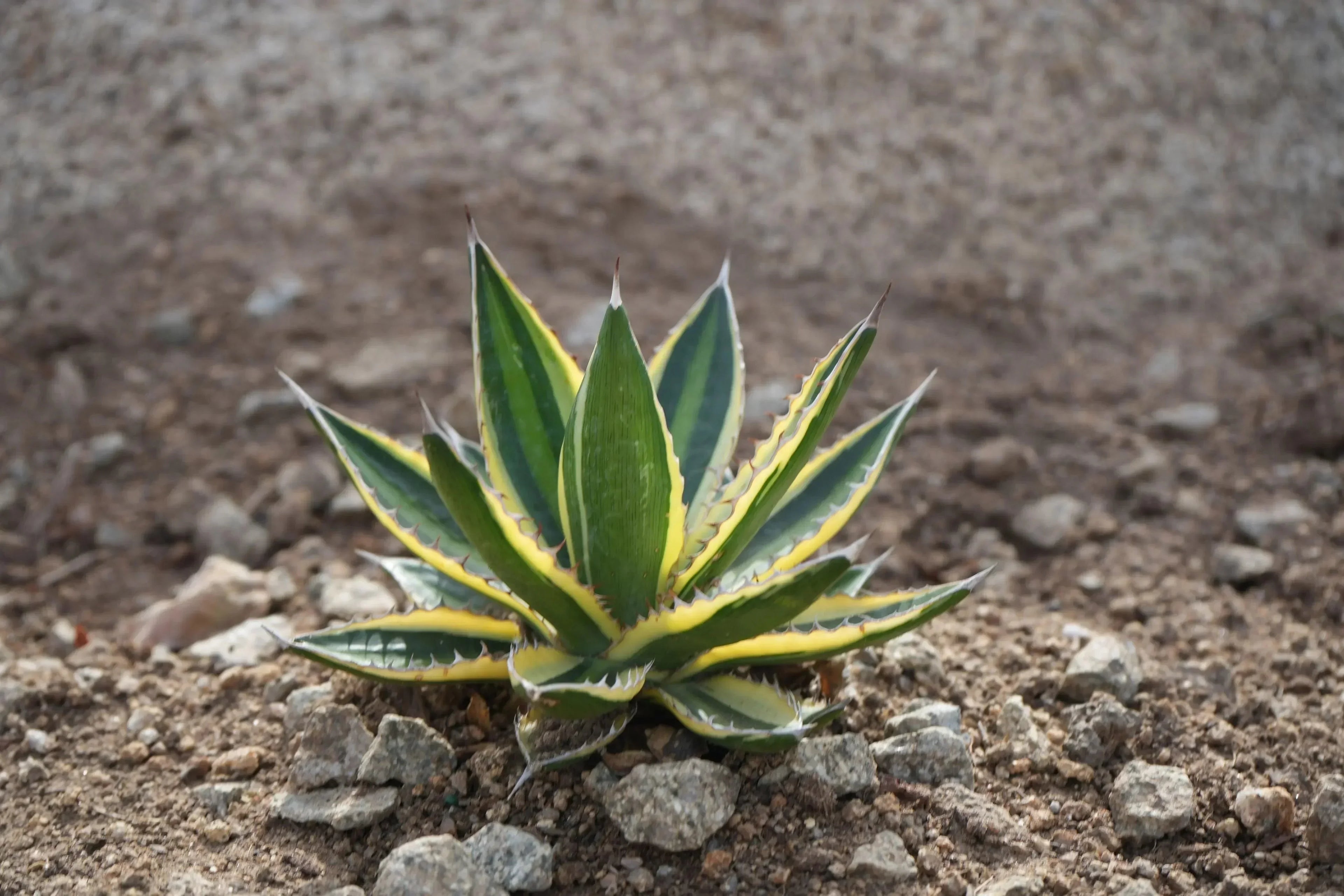
Agave ‘Quadricolor’ is a striking ornamental agave prized for its bold variegation and compact, architectural form. Each upright leaf displays dramatic striping in shades of green, creamy yellow, and warm golden tones, often accented with subtle reddish margins. The result is a visually dynamic rosette that brings vibrant color and structure to low‑water landscapes.
Perfect for water‑wise landscapes, Agave ‘Quadricolor’ combines eye‑catching foliage with excellent drought tolerance. Its moderate size and upright habit make it ideal as a focal point in modern gardens, accent plantings, containers, and Mediterranean‑style designs.
Plant Characteristics of Agave ‘Quadricolor’
| Characteristic | Detail |
|---|---|
| Common Name | Quadricolor Agave |
| Plant Type | Evergreen succulent |
| Foliage | Variegated green, yellow, and cream leaves with upright form |
| Form | Compact, symmetrical rosette |
| Growth Rate | Slow to moderate |
| Special Features | Bold color pattern, drought tolerant, strong architectural presence |
Mature Size and Form
• Height: 2–3 ft
• Spread: 3–4 ft
Agave ‘Quadricolor’ forms a dense, upright rosette with leaves held at a slight angle, creating a sculptural silhouette. Its moderate size makes it easy to incorporate into small gardens, containers, courtyards, and accent groupings.
USDA Hardiness Zones
Zones 8–11
Thrives in warm, dry climates and tolerates light frost once established. Performs best in full sun with excellent drainage.
Cultivation and Care for Agave ‘Quadricolor’
| Aspect | Care Instructions |
|---|---|
| Sunlight | Full sun to light shade for best color |
| Soil | Well‑drained soil; sandy or rocky soil preferred |
| Water | Very low; allow soil to dry between watering |
| Fertilizer | Not required |
| Maintenance | Remove spent leaves as needed; minimal upkeep |
Landscape Use and Benefits of Agave ‘Quadricolor’
• Vibrant focal plant with strong color contrast
• Ideal for desert, modern, and
water‑wise gardens
• Excellent for containers, courtyards, and accent plantings
• Pairs well with gravel, stone, and low‑growing succulents
• A standout choice within curated
succulent collections
Wildlife Attraction
While primarily grown for foliage and form, mature plants may eventually produce a tall flowering spike that attracts pollinators.
Pest and Disease Considerations
Agave ‘Quadricolor’ is highly resilient when planted in appropriate conditions. Potential considerations include:
• Root rot in poorly drained soil
• Cosmetic damage from prolonged frost exposure
• Leaf spotting in overly humid environments
Excellent drainage and conservative watering ensure long‑term health and vibrant coloration.