

Aloe camperi: Lush Green "Popcorn" Aloe with Bi-Color Winter Blooms
1-gallon (6x6x12" - 18")
$29.00
Skip to product information
Aloe camperi


Aloe camperi: Lush Green "Popcorn" Aloe with Bi-Color Winter Blooms
$29.00
Aloe camperi
Graceful Clumping Aloe with Coral‑to‑Yellow Flowers
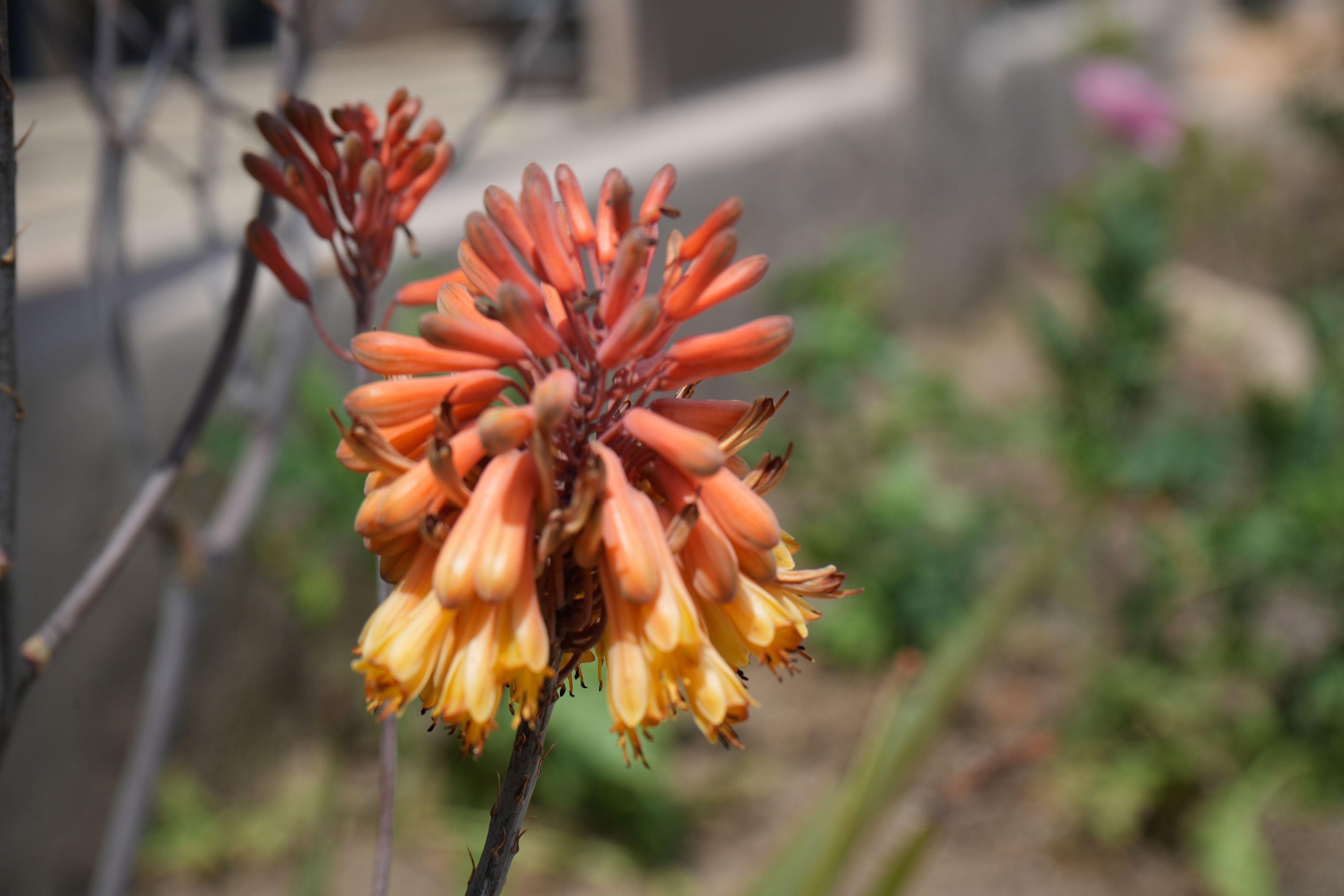
Aloe camperi, often called Nubian or Popcorn Aloe, is a highly ornamental clumping aloe valued for its elegant, fountain‑like form and vibrant seasonal flowers. Narrow, glossy green leaves arch outward from the center of each rosette, creating a soft, cascading silhouette that contrasts beautifully with bold, architectural succulents. In late spring into early summer, tall branching flower spikes rise above the foliage, carrying clusters of coral, salmon, and yellow blooms.
Ideal for water‑wise landscapes, Aloe camperi offers durability, drought tolerance, and an extended bloom season beyond most winter‑flowering aloes. Its spreading habit and graceful movement make it especially well suited for mass plantings, rock gardens, slopes, and large accent areas.
Plant Characteristics of Aloe camperi
| Characteristic | Detail |
|---|---|
| Common Name | Nubian Aloe, Popcorn Aloe |
| Plant Type | Evergreen succulent |
| Foliage | Glossy green leaves with gently arching form |
| Flowers | Coral, salmon, and yellow tubular flowers on branched spikes |
| Bloom Season | Late spring through early summer |
| Special Features | Soft cascading form, extended bloom season, clumping habit |
Mature Size and Form
• Height: 2–3 ft (flower spikes to 3–4 ft)
• Spread: 4–6 ft (with age)
Aloe camperi forms colonies of overlapping rosettes that gently spread over time. The combination of low foliage and tall flower spikes adds both horizontal and vertical interest, making this aloe especially effective in layered landscape designs.
USDA Hardiness Zones
Zones 9–11
Performs best in warm coastal or inland climates. Tolerates light frost once established, particularly in fast‑draining soil.
Cultivation and Care for Aloe camperi
| Aspect | Care Instructions |
|---|---|
| Sunlight | Full sun to light shade |
| Soil | Well‑drained soil; sandy or rocky soil preferred |
| Water | Low; drought tolerant once established |
| Fertilizer | Not required |
| Maintenance | Remove spent flower stalks and old leaves as needed |
Landscape Use and Benefits of Aloe camperi
• Graceful clumping aloe with long seasonal color
• Excellent for slopes, borders, and mass planting
• Ideal for desert, Mediterranean, and water‑wise gardens
• Attracts hummingbirds and pollinators when in bloom
• A refined accent within curated succulent collections
Wildlife Attraction
The tall flower spikes attract hummingbirds, bees, and beneficial insects, adding movement and life to the garden in late spring.
Pest and Disease Considerations
Aloe camperi is robust and trouble‑free when planted correctly. Potential considerations include:
• Root rot in poorly drained soil
• Reduced flowering in heavy shade
• Minor cosmetic damage from severe frost
Providing excellent drainage and full sun ensures healthy growth and abundant flowering.