

Dracaena draco: Iconic Dragon Tree with Architectural Succulent Foliage
5-gal
$99.00
Skip to product information
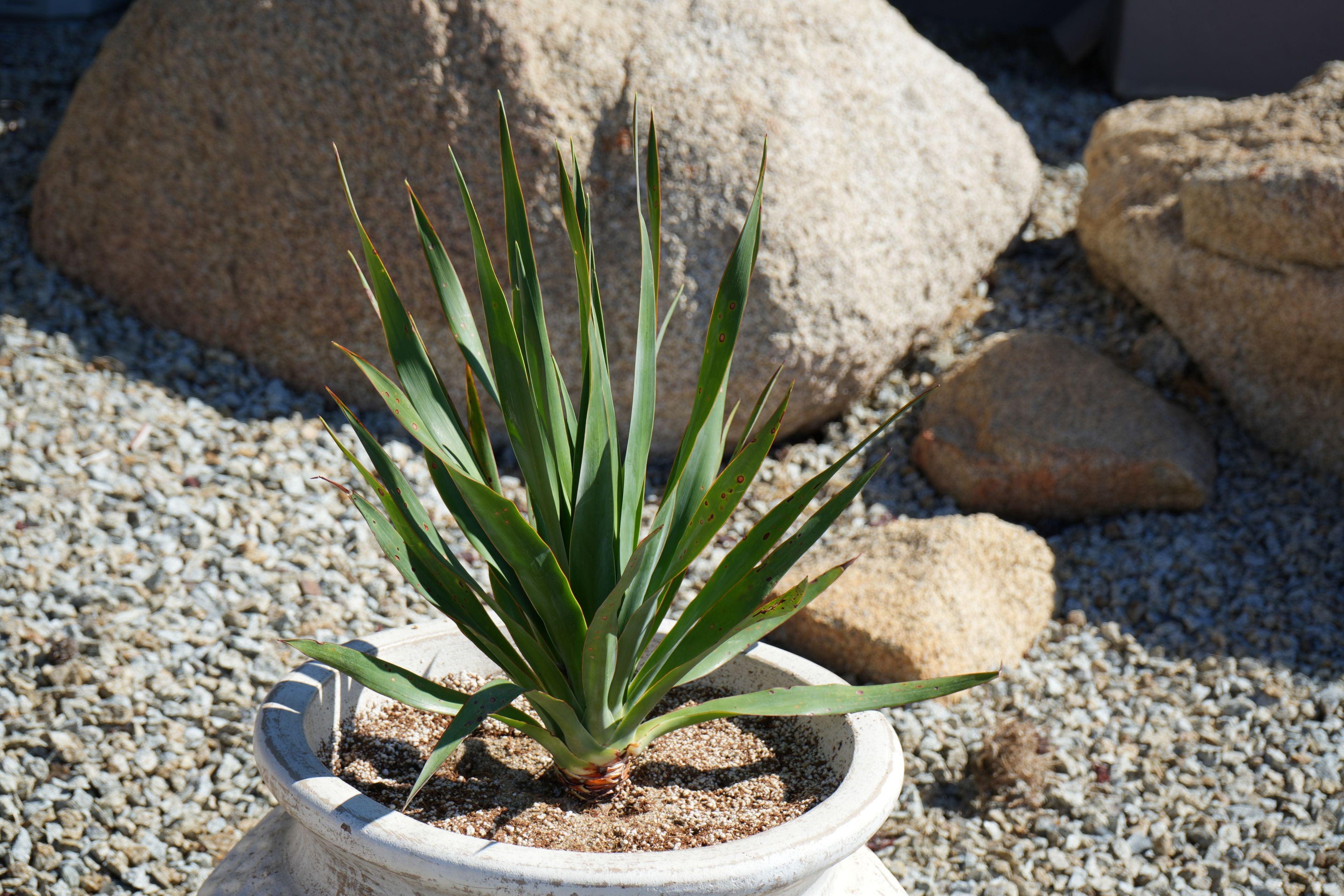
🐉 Dracaena draco
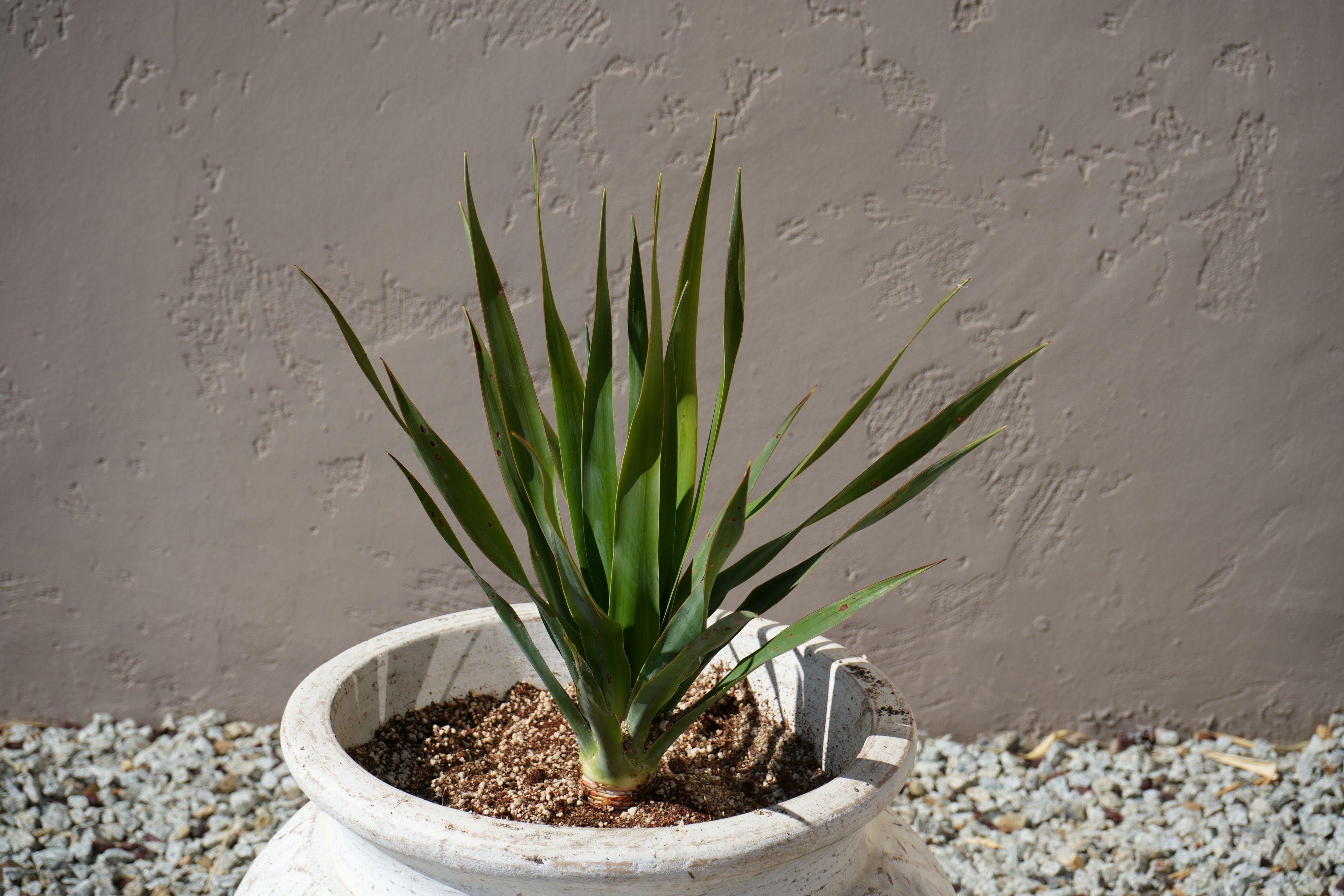


Dracaena draco: Iconic Dragon Tree with Architectural Succulent Foliage
$99.00
🐉 Dracaena draco
Dragon Tree with Sculptural Form and Ancient Architectural Presence
Dracaena draco, commonly known as the Dragon Tree, is an iconic and highly sculptural species revered for its dramatic, umbrella‑shaped canopy and slow, deliberate growth habit. Native to the Canary Islands and surrounding regions, this striking plant develops thick, branching trunks that culminate in dense clusters of sword‑like leaves, forming a bold and timeless silhouette.
Over time, mature specimens produce branching heads that create a distinctive tiered structure rarely matched in the plant world. Its architectural form makes it a standout centerpiece in water‑wise landscapes, desert gardens, and modern designs. Dracaena draco thrives in full sun to light shade with excellent drainage, offering exceptional drought tolerance and longevity once established.
Botanical Characteristics of Dracaena draco
| Characteristic | Detail |
|---|---|
| Scientific Name | Dracaena draco |
| Common Name | Dragon Tree |
| Growth Habit | Slow‑growing, branching evergreen tree with sculptural form |
| Foliage | Long, sword‑shaped blue‑green leaves arranged in dense rosettes |
| Flowers | Small, fragrant white to greenish blooms on mature specimens |
| Flowering Season | Spring to early summer (on mature plants) |
| Special Features | Iconic sculptural form, extremely long lifespan, drought tolerant |
Mature Size and Form
• Height: 15–40 ft (very slow to reach full size)
• Spread: 10–25 ft
Dracaena draco eventually develops into a striking umbrella‑shaped tree with multiple branching heads. Its slow growth makes it ideal for long‑term landscape planning, containers when young, and as a dramatic focal feature in succulent and arid plant collections.
USDA Hardiness Zones
Zones 9–11
This species performs best in mild, frost‑free climates. It tolerates coastal exposure, wind, and dry conditions, making it well suited to Mediterranean environments.
Cultivation and Care for Dracaena draco
| Aspect | Care Instructions |
|---|---|
| Sunlight | Full sun to partial shade |
| Soil | Well‑drained soil; tolerant of sandy or rocky conditions |
| Water | Low; allow soil to fully dry between waterings |
| Fertilizer | Light feeding; low‑nutrient requirements |
| Pruning | Minimal; shaping only if necessary, branching occurs naturally |
Landscape Use and Benefits of Dracaena draco
• Dramatic sculptural centerpiece for modern and desert landscapes
• Ideal for water‑wise and drought‑tolerant gardens
• Suitable for coastal, Mediterranean, and urban environments
• Long‑lived specimen plant with timeless architectural appeal
• Excellent for container growth when young
Wildlife Attraction
Mature plants produce flowers that can attract pollinating insects, though the primary value of Dracaena draco lies in its ornamental and architectural presence.
Pest and Disease Considerations
Dracaena draco is generally resilient when grown in proper conditions. Potential concerns include:
• Root rot in poorly drained or overwatered soils
• Occasional scale or mealybug infestations
• Leaf stress in prolonged cold or frost conditions
Providing excellent drainage, limited watering, and warm conditions will ensure long‑term health and stability.